Saturday, April 4, 2009

Time Management & Starting a Relaxation Practice

Set aside time in your daily schedule. The best way to start and maintain a relaxation practice is by incorporating it into your daily routine. Schedule a set time either once or twice a day for your practice. You may find that it’s easier to stick with your practice if you do it first thing in the morning, before other tasks and responsibilities get in the way.

Don’t practice when you’re sleepy. These techniques can relax you so much that they can make you very sleepy, especially if it’s close to bedtime. You will get the most out of these techniques if you practice when you’re fully awake and alert.

Choose a technique that appeals to you. There is no single relaxation technique that is best. When choosing a relaxation technique, consider your specific needs, preferences, and fitness level. The right relaxation technique is the one that resonates with you and fits your lifestyle.

The Relaxation Response

You can’t avoid all stress, but you can counteract its negative effects by learning how to evoke the relaxation response, a state of deep rest that is the polar opposite of the stress response.

The stress response floods your body with chemicals that prepare you for “fight or flight.” But while the stress response is helpful in true emergency situations where you must be alert, it wears your body down when constantly activated.

The relaxation response brings your system back into balance: deepening your breathing, reducing stress hormones, slowing down your heart rate and blood pressure, and relaxing your muscles.

In addition to its calming physical effects, research shows that the relaxation response also increases energy and focus, combats illness, relieves aches and pains, heightens problem-solving abilities, and boosts motivation and productivity. Best of all – with a little practice – anyone can reap these benefits.

Friday, April 3, 2009

Social TalkShoe Radio

Society & Culture: Tune in 2mro for discussion on meditation, spirituality, metaphysics, Buddhism, consciousness, philosophy, etc.

Social TalkShoe Radio

Society & Culture: Tune in 2mro for discussion on meditation, spirituality, metaphysics, Buddhism, consciousness, philosophy, etc.

Saturday, March 28, 2009

Padmasana (The Lotus)

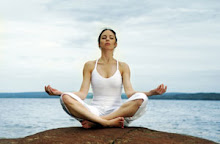
The lotus position is the classic posture for meditation. It is effectively a position - once the legs are crossed, the lower half ot he body remains still.

Do not attempt this posture if you have problems with your knees. Find a qualified yoga teacher with experience to show you how to master alternate asanas.

The Lotus

sit with your back straight, your legs out in front of you; bend your right knee, take your right foot, from underneath, in your left hand and place it on your left thigh; take your left foot in your right hand (holding it underneath), lift it up onto your right thigh, letting your foot turn over to see your sole


sit tall, back straight, relaxing your shoulder, dropping tension, raising your chin if necesarry, eyes forward, becoming aware

breathe

the Lotus, one of the more important of all the ancient postures

Meditation


Meditation can mean contemplation, prayer, entering sacred emptiness together with transcendtalness to an accomplished practitioner.

Yogic meditation manifests itself from discipling the mind, created by a stilling of the mind.

Be a benovalent observer to you mind and drawn yourself into in mind's stillness and out of its drama.

Friday, March 27, 2009

Meditation as an Art of Focus

From our cave-dwelling days, we have been equipped with the “fight or flight” response, which is a vital tool of survival. But think – have you been pawed by a ferocious wild animal lately?

Stress itself is not harmful, but our inability to deal wth our bodies' response to it can be. If you can learn to cope with the changes that life presents you, or change your response, you can handle life's stress. To this end, developing a meditative capacity and practice is invaluable.

While meditating, explore your awareness, exploring the inner frontiers of your consciousness with the mind of a scientist and the heart of a lover.

Meditation is the art of focus

1) Harmony – choose a peaceful space, stay there, place candles

2) Use a candle - light a candle using it as your point of focus

3) Relax - stretch to loosens the muscles brings added attention to the body.

4) Practice - be still.

5) Beathe - breathing deep slowing the heart rate, relaxes the muscles and focuses the mind.

6) Purpose – engage purposefully.

7) Attention - focus in on your breath letting feelings float away

8) Respect – try different style, sit, lye, eyes open, closed, etc.

9) Feel - notice the body once the mind quiets, paying attention to your feet and then slowly moving up your body

10) Commit - benefit from continual practice

11) Notice – any physical movement – adjust

12) Be Gentle - meditation is what it is

“Stress is what happens when you wake up screaming and realise you haven't fallen asleep yet.”